


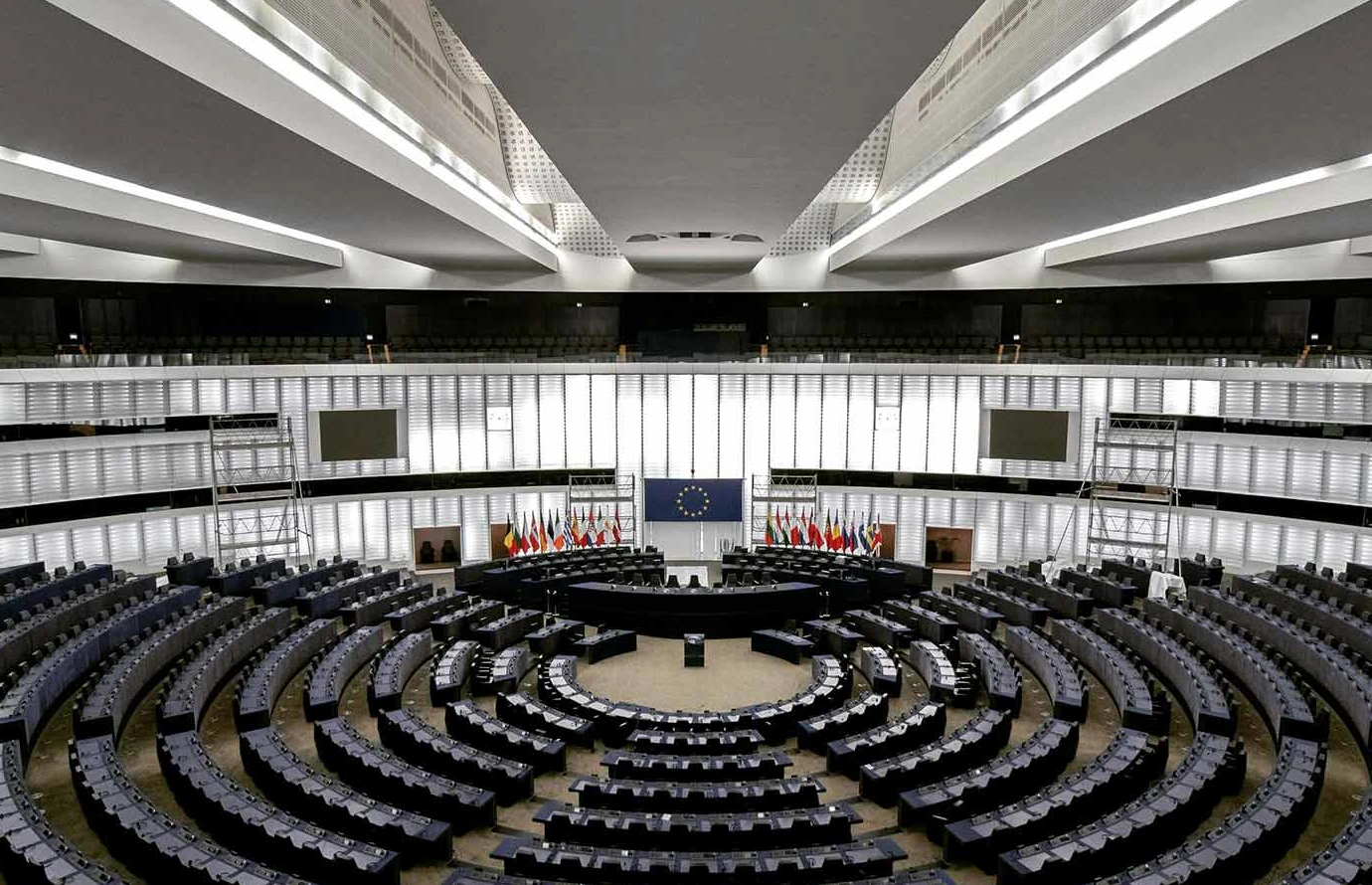


EU lawmakers walked out of coalition talks after less than four hours, leaving the future of corporate sustainability rules in turmoil as deep rifts emerged over supply-chain liability and regulatory scope. With mounting pressure to ease reporting costs but safeguard accountability, the stakes are high ahead of a critical legal affairs committee vote this October.
Parliament power dynamics
Within the Parliament, the European People’s Party (EPP) has pushed for broader exemptions and signaled openness to forming alternative majorities, including alliances with right-wing groups, to secure deeper cuts in reporting requirements.
In contrast, the Renew group advocates for narrower, more targeted reductions, while S&D and Greens categorically reject significant rollbacks.
These tensions have strained the coalition supporting Commission President von der Leyen. Talks ended abruptly amid accusations of inadequate preparation and brinkmanship, though there remains a willingness to resume negotiations before the key committee vote on October 13.
Market and strategy impact
Industry groups welcome the prospect of lower compliance costs, arguing that reducing the administrative burden will free up resources for innovation and growth.
However, NGOs caution that loosening reporting rules may erode transparency, reduce accountability, and increase the risk of greenwashing, as companies face fewer requirements to disclose sustainability information.
For SMEs, the proposed changes could offer practical relief. Nonetheless, companies will still need to meet investor expectations under CSRD and the European Sustainability Reporting Standards (ESRS), even if some simplifications are enacted.
What could change
Proposals under discussion include shifting CSRD applicability to companies with at least 1,000 employees and over €450 million in turnover, which would substantially narrow the directive’s reach if agreed.
The removal of supply-chain civil liability remains a flashpoint. While the Commission and Council back this move, Parliament is deeply divided. The outcome will have major consequences for the enforcement architecture of the CSDDD.
Additional reporting burden easements are on the table, such as phased implementation, proportionality measures, and reduced datapoints for smaller filers, all designed to make compliance more manageable.
Trends to watch
There is potential for shifting majorities, with right-of-center alliances increasingly shaping ESG files and making center-ground negotiations more contested.
Finally, the interplay between CSRD, CSDDD, and the EU Taxonomy remains a critical concern. Lawmakers and market participants are watching for greater framework coherence, as clarity for issuers must be balanced against the risk of fragmented implementation across the bloc.
Conclusion
As the EU faces pivotal choices on sustainability rule simplification, political rifts remain the key barrier—future compromises will center on liability and scope. The Council’s high-threshold approach could significantly narrow CSRD coverage, but Parliament’s next moves will be decisive. Even if rules are eased, robust investor reporting standards endure, keeping scrutiny on credibility and greenwashing risks. All eyes now turn to the crucial October 13 committee vote and subsequent plenary decisions that will shape the balance between regulatory relief and sustainability accountability.
EU rulemaking context
The European Commission introduced the Omnibus Simplification Package in February 2025 to streamline major ESG regulations, including the Corporate Sustainability Reporting Directive (CSRD), Corporate Sustainability Due Diligence Directive (CSDDD), and the EU Taxonomy Regulation. This package seeks to balance efficiency gains for businesses with the EU’s sustainability objectives, aiming to reduce administrative complexity while upholding essential reporting standards.
The Council adopted its position in June 2025, proposing significant relaxation of obligations, particularly for small and medium-sized enterprises (SMEs). Key changes include raising the employee threshold for CSRD applicability to 1,000 and introducing a net turnover threshold of over €450 million, which would exempt a broader swath of companies from reporting requirements.
A central point of contention has been the proposal to eliminate civil liability for supply-chain due diligence. While the European Commission and EU governments support scrapping this liability, the Socialists & Democrats (S&D) and Greens strongly oppose the removal, arguing it would undermine accountability across supply chains.